Heart and Its Function
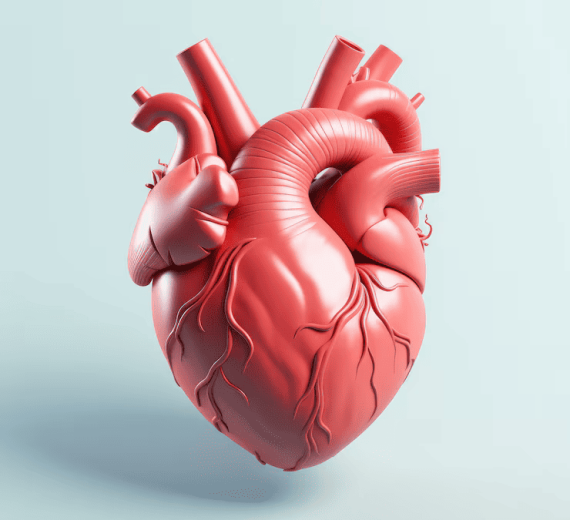
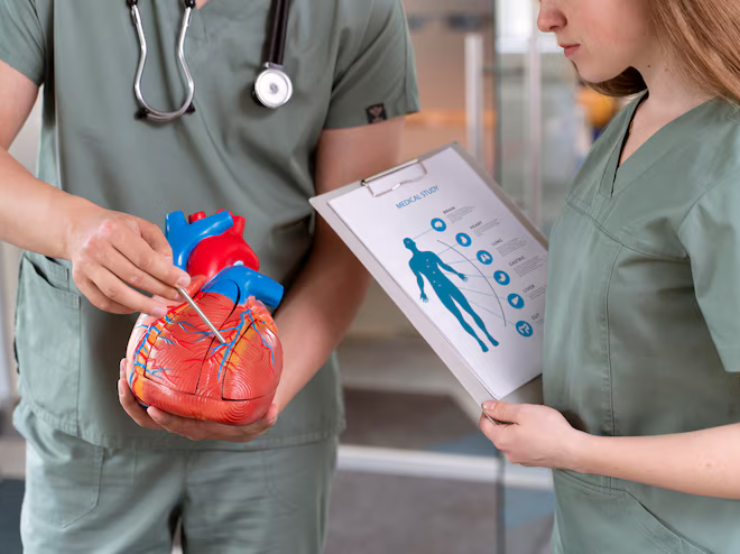
The human heart is one of the most important organs responsible for sustaining life. It is a muscular organ with four chambers and it is located between the lungs in the thoracic cavity, slightly towards the left of the sternum (breastbone). The human heart functions throughout a person’s lifespan and is one of the most robust and hardest working muscles in the human body.
One of the primary functions of the human heart is to pump blood throughout the body in a process called circulation. Blood delivers oxygen, hormones, glucose and other components to various parts of the body, including the human heart. The heart also ensures that adequate blood pressure is maintained in the body. Apart from the heart, the blood vessels and blood as a unit constitute the cardiovascular system.
Heart Blockage and Atherosclerosis
The heart supplies oxygenated blood to itself via the coronary arteries, which branch off from the aorta. The coronary arteries are very narrow and are commonly affected by a condition known as atherosclerosis.
Atherosclerosis is caused by aging, diabetes, high cholesterol, hypertension, obesity, inactivity, and smoking. These factors lead to the buildup of fats and cholesterol in artery walls, forming plaques that narrow or block blood flow. Plaques can rupture, causing clots that may completely block an artery. Often, atherosclerosis shows no symptoms until the blockage is severe or a rupture occurs. Reduced or blocked blood flow can lead to a heart attack, where heart muscle begins to die from lack of oxygen.
Test & Diagnosis
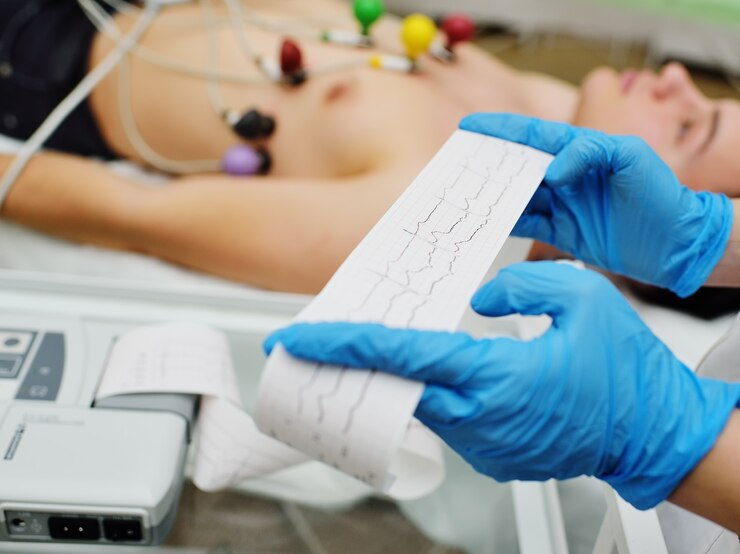
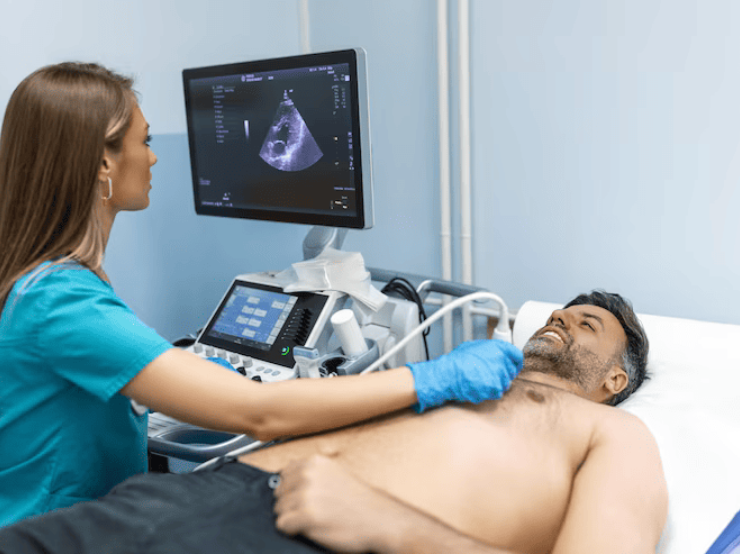
To diagnose coronary artery disease, patients are likely to be questioned about their medical history and symptoms. Blood test are usually done to check their overall health.
Non Invasive Treatments
Enhanced External Counter Pulsation (EECP) is a non-invasive, drug-free treatment that enhances blood circulation in the heart to alleviate chest pain or shortness of breath. It is a safe, painless, risk-free, and cost-effective therapy for congestive heart failure and other coronary artery diseases, requiring no hospitalization.
Biochemical Coronary Angioplasty (IV Infusion Therapy)
Biochemical Coronary Angioplasty is an intravenous infusion treatment designed to prevent the narrowing of arteries. This innovative procedure not only improves the elasticity of blood vessels but also significantly enhances blood flow in clogged arteries, thereby promoting better cardiovascular health. Unlike traditional surgical options, this approach does not require hospitalization or an extensive recovery period. It's a non-operative, safe, effective, and remarkably affordable alternative to costly surgeries, making it an increasingly popular choice for those seeking a non-invasive solution to coronary artery disease.